
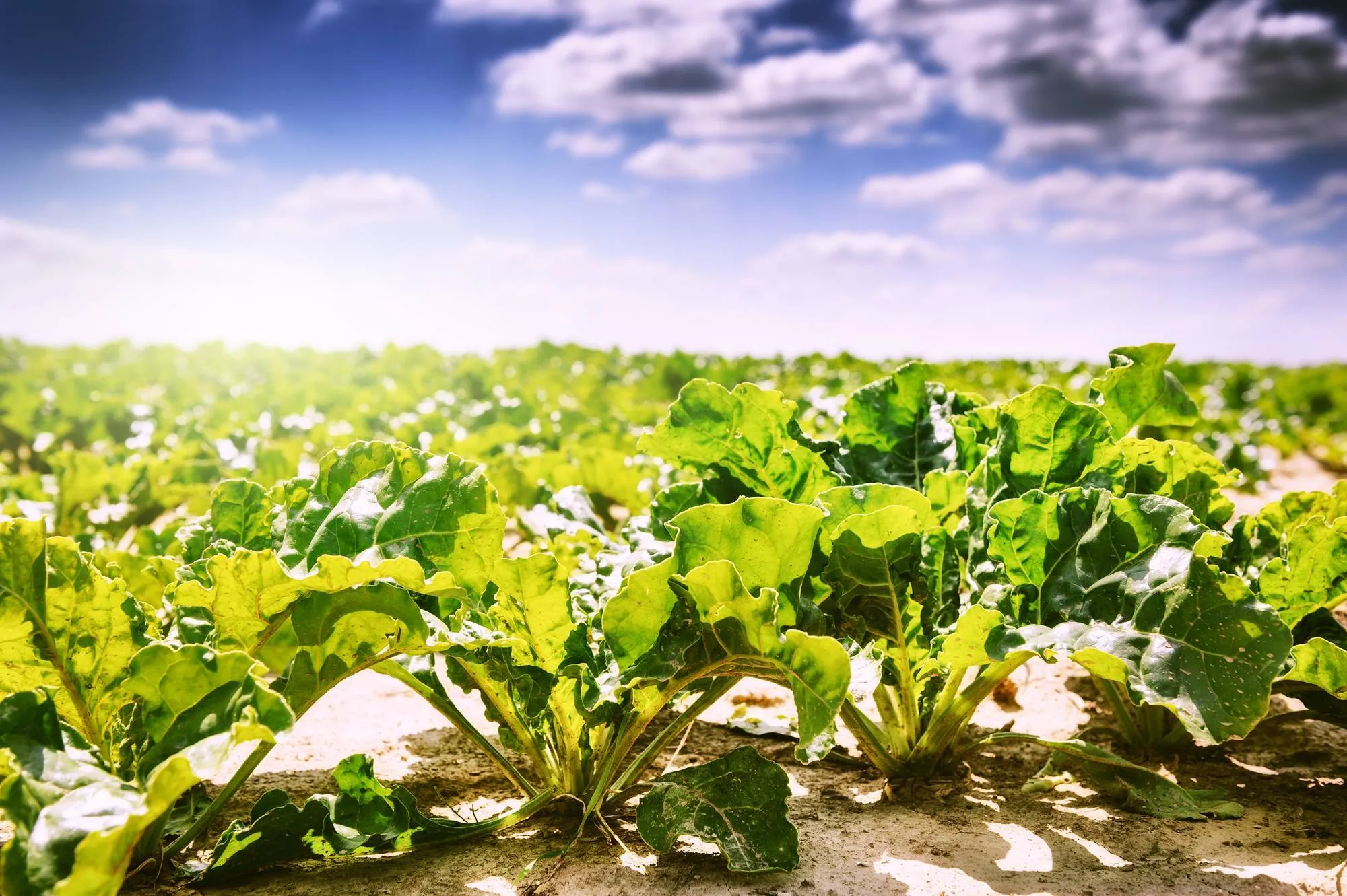
We have come to think of sugar as a sure thing—a staple in our pantry, always awa...
 We have come to think of sugar as a sure thing—a staple in our pantry, always awaiting us on the table at our local coffee shop. If we want it, chances are we can probably get it.
But there are a lot of steps involved in getting those sugar packets to our kitchen counters. There are entire industries operating based on the steps taken between the farm and the table—industries that employ thousands of workers and rely on the current sugar policy to keep them in business.
For about half the U.S. sugar industry, the process starts in cane fields, where each producer has the immense task of deciding the amount of acreage that will be dedicated to sugar for the given year, based on predicated weather patterns, markets, and well, a lot of hoping and praying.
Once production estimates take shape, sugar companies relay information to buyers, and finally, the transportation sector.
That’s where Allied Transportation comes in. “At this point,” says Chuck Ferrer, Vice President of Traffic and Marketing. “We determine a vessel rotation and schedule shipments to deliver raw sugar from the farm to the refineries.”
So how does the sugar actually get there?
 After loading 29 million pounds of sugar into a 362-feet long, 74-feet wide barge, American seafarers carry it up the eastern seaboard to one of the refineries in Savannah, Baltimore, Yonkers, or, into the Gulf of Mexico and up the mighty Mississippi to New Orleans.
When this massive vessel is fully loaded, it draws about 24 ft of water, creating quite the “economic” ripple throughout its journey up the coast.
The most significant ripple effect however, is on the employment side of the process. “There is a substantial amount of labor employed in getting the sugar from the field to the mill and from the mill to the port. There is local labor to load the sugar at the dock, port employees who oversee the loading operation, not to mention the harbor pilots and assist tugs that help the vessel come and go from the port.
At the discharge, stevedores unload the vessel, as refinery employees melt the sugar and package the finished product where the distribution cycle begins – trucking the refined sugar from the refinery to market, both to the industrial user as well as the local supermarket,” Ferrer explained. And that’s the short version. “It’s a pretty big economic engine. And it starts with that one stalk of cane.”
If the relationship between Allied Transportation and the U.S. sugar growers seems like a well-oiled machine, that’s because it is, “as we all work hard to make it so.”
“The gentleman who founded our company started with some of the preeminent growers of the time in Florida, all of which were forward thinking and ahead of their time. We began by moving raw sugar in small lots on the Intracoastal Waterway with inland barges,” Ferrer explained.
In the mid-70s however, those “forward thinkers” on both sides of the operation saw room for improvement and realized that moving the sugar in larger volumes along the coast through a central location was more efficient.
By 1978, Allied had built a 14,500 ton capacity ocean-going barge—named the Jonathan—just for moving sugar. Since that time, the two entities have grown their business together as the growers, refiners, and Allied have all become more efficient. In the mid-90s the Jonathan’s sister was built and aptly named the “Sugar Express,” the name a result of a contest among local grade school kids.
“The two industries were growing together—as we grew, so did they,” said Ferrer. “At times we have had 5 ocean-going barges, dedicated primarily to moving sugar.”
Today, Ferrer says that from an employment perspective—Allied has about 50 seafaring people, and 35 to 40 other employees involved in husbanding the sugar operation.
“We look at it as a partnership from the field to the table. Every time I go into a restaurant, I look at the sugar packet and can proudly say, ‘We played a part in getting that here.’ From the farmer in the field to the people at the port and the refinery, we’re all one big team. We work in concert to make sure that the grower has his outlet and that the refinery is kept supplied with the best cane sugar in the world, sugar grown in the US of A.”
So how does Mr. Ferrer feel about the current U.S. sugar policy? 
“We are in support of the sugar policy, and have been for years,” he says.
But Mr. Ferrer is not just speaking from an industry perspective—where he sees firsthand how sugar policy supports thousands of domestic jobs—he’s speaking as a taxpayer too.
“From a basic, American perspective, it’s a win-win for all sides. From the farmer growing cane or beets, to the families sitting in coffee shops in small town USA, whether they’re eating a donut or sweetening a cup of coffee, sugar is a major part of lives all over the country.”
And just when we thought that argument couldn’t have made any more sense, Mr. Ferrer put it even further into perspective.
“You know, there are a lot of programs that come out of Washington that cost us a lot of money, and they don’t have nearly the benefit that the current no-cost U.S. sugar policy does.”